4. A Beginner's Guide to Setting Up a CCTV Kit
Are you considering installing a CCTV kit in your home or business but not sure where to start? Setting up a CCTV kit can seem like a daunting task, especially for beginners. However, with the right guidance and tools, you can easily set up your CCTV system and enhance the security of your property. In this beginner's guide, we will walk you through the steps to set up a CCTV kit effectively.
1. Choose the Right CCTV Kit
The first step in setting up a CCTV kit is to choose the right one for your needs. There are various types of CCTV kits available in the market, ranging from basic DIY kits to more advanced systems with multiple cameras and monitoring capabilities. Consider factors such as the size of the area you want to monitor, the number of cameras you need, and whether you want to access the footage remotely. Once you have a clear idea of your requirements, you can select a CCTV kit that meets your needs.
People Also Look For:
- SANSCO 8 Channel 5MP DVR CCTV Security Camera System with (4) 2MP Super HD Outdoor Bullet Cameras (1920x1080, IP66 Vandal-Proof, I...
- 16 Channel CCTV Camera System Surveillance Video Recorder with 1TB Hard Drive,16CH DVR Supports 5MP/4MP/1080P AHD/TVI/CVI/CVBS/IP ...
- 4 Channel CCTV Camera Systems with 500GB HDD, 8 Ch 5MP H.265+ Surveillance DVR Recorder for Analog XVI AHD TVI CVBS CVI IP Cameras...
- ANNKE 8CH 3K Lite AI DVR With Human & Vehicle Detection, 8 Channel CCTV Security Camera System, 8x 1080p Surveillance Cams wih Col...
- ZOSI CCTV Home Security Camera System, 8CH H.265+ 5MP DVR Recorder with 2pcs 1080p Outdoor Surveillance Camera, Human Vehicle Dete...
2. Plan Your Camera Placement
Before you start installing your CCTV kit, it is essential to plan the placement of your cameras strategically. Identify the areas of your property that you want to monitor, such as entry points, parking lots, or valuable assets. Ensure that your cameras have a clear line of sight and cover any blind spots. It is also crucial to consider factors such as lighting conditions and potential obstructions that may affect the quality of your footage. By planning your camera placement in advance, you can maximize the effectiveness of your CCTV system.
3. Install Your Cameras
Once you have chosen the right CCTV kit and planned your camera placement, it is time to install your cameras. Most CCTV kits come with detailed instructions on how to set up your cameras, so be sure to follow them carefully. Start by mounting your cameras in the designated locations using the appropriate mounting brackets. Make sure that your cameras are securely attached to prevent tampering or theft. Once your cameras are installed, connect them to the DVR or NVR using the provided cables. Test each camera to ensure that they are functioning correctly and adjust their positions if necessary.
4. Set Up Your DVR/NVR
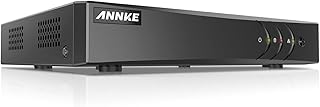
The next step in setting up your CCTV kit is to configure your DVR (Digital Video Recorder) or NVR (Network Video Recorder). These devices are the heart of your CCTV system and are responsible for recording and storing your footage. Follow the instructions provided with your DVR/NVR to set up your system, including creating user accounts, setting recording schedules, and adjusting video settings. It is essential to secure your DVR/NVR with a strong password to prevent unauthorized access to your footage. Once your DVR/NVR is set up, you can start recording and monitoring your cameras.
Setting up a CCTV kit may seem overwhelming at first, but with the right approach and guidance, you can easily install a CCTV system that meets your security needs. By choosing the right CCTV kit, planning your camera placement, installing your cameras correctly, and setting up your DVR/NVR, you can enhance the security of your property and have peace of mind knowing that your premises are protected.